
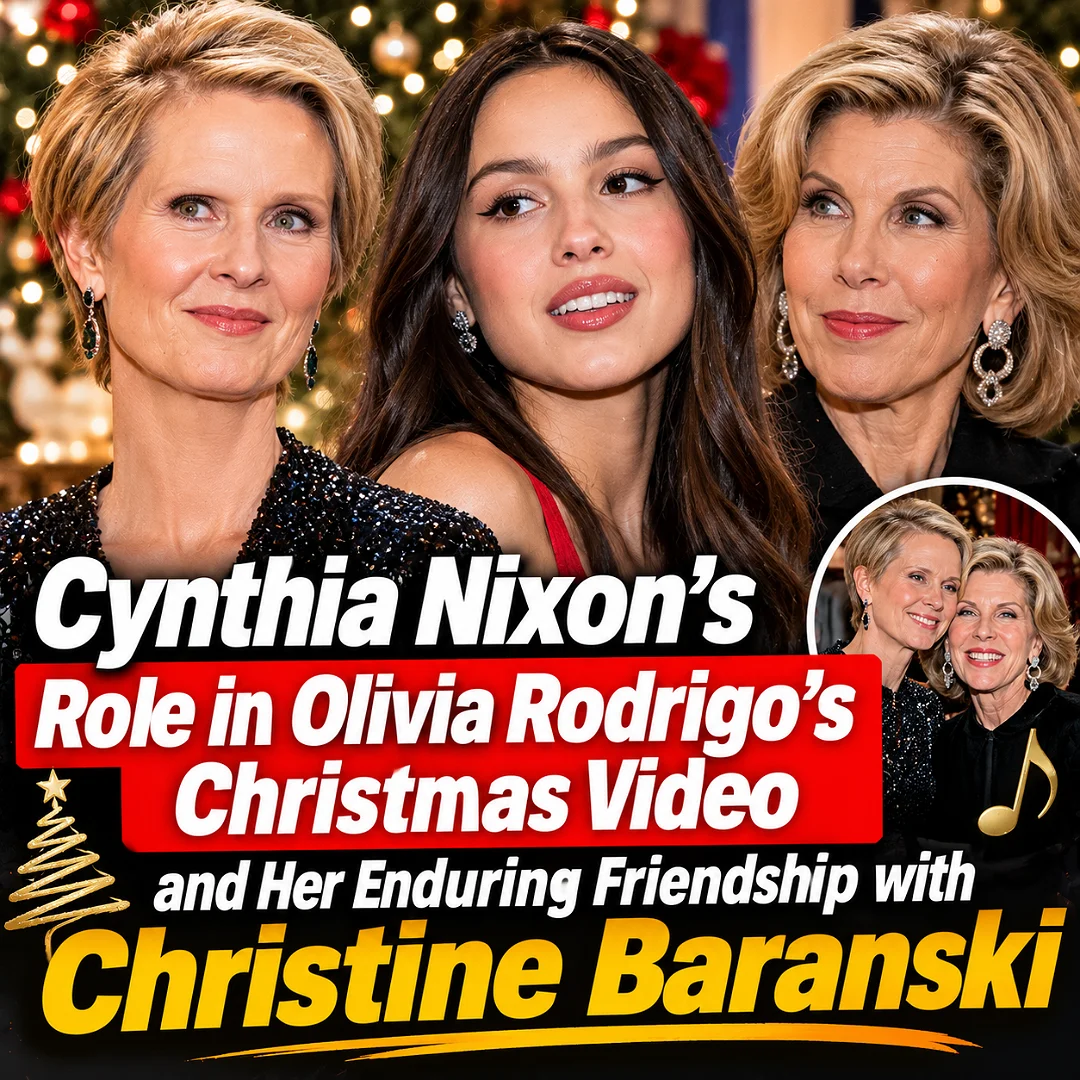
Did you know that the celebrated actress from “Sex and the City” appears in a festive music video alongside a pop star? Cynthia Nixon, known for her Emmy‑winning performances, surprises fans as she steps into Olivia Rodrigo’s holiday single “take me home (4 christmas)”. This unexpected collaboration raises the question: how does a veteran TV star end up in a modern pop star’s seasonal release?
Beyond the music video, Cynthia Nixon continues to make headlines on the small screen. She portrays Ada Forte, a cunning socialite, in the fourth season of HBO Max’s period drama “The Gilded Age”. The series, set in 1880s New York, showcases a clash between old‑money aristocracy and the rising nouveau‑rich, with Nixon’s character adding a sharp edge to the ensemble. Her involvement in two high‑profile projects this month highlights why her name remains a focal point of cultural conversation.
Why Cynthia Nixon’s Appearance Matters Now
First, the timing is crucial. Olivia Rodrigo’s new single drops just before the holiday rush, a period when streaming numbers skyrocket. Including a recognizable face like Cynthia Nixon not only draws attention from her fan base but also bridges generational gaps. Younger audiences discover Nixon’s extensive catalog, while older viewers gain exposure to Rodrigo’s music. This cross‑generational appeal is a strategic move that reflects the evolving landscape of entertainment marketing.
From “Sex and the City” to “The Gilded Age”: A Seamless Transition
Cynthia Nixon first captured worldwide attention as Miranda Hobbes in “Sex and the City”, a role that cemented her status as a leading actress in the early 2000s. Today, she brings that same charisma to Ada Forte, a character whose social maneuvering mirrors the power plays of Miranda’s Manhattan life. The transition showcases Nixon’s versatility and underscores the relevance of seasoned actors in contemporary storytelling.
More importantly, Nixon’s involvement in “The Gilded Age” coincides with HBO Max’s push for original period dramas that can compete with streaming giants. Her star power adds credibility, encouraging subscription growth and critical buzz. As the series garners viewership, it also sparks discussions about representation, class, and gender in historical narratives.
Christine Baranski: A 40‑Year Friendship Turned On‑Screen Sisterhood
While fans focus on Nixon’s new projects, a deeper story unfolds behind the scenes. Cynthia Nixon and Christine Baranski have nurtured a friendship spanning more than four decades, a bond that translates into authentic chemistry on screen. In “The Gilded Age”, they portray sisters whose rivalry and loyalty drive many plot twists.
According to Globo, the duo’s relationship began in theater circles, where both honed their craft before achieving mainstream fame. Their long‑standing connection enriches their performances, allowing viewers to sense genuine emotional stakes. This dynamic proves that personal history can enhance fictional narratives, offering audiences a richer viewing experience.
The Impact of Real‑Life Relationships on Narrative Depth
When actors share a lived history, their on‑screen interactions often feel less scripted and more instinctual. In the case of Nixon and Baranski, years of trust enable subtle glances and nuanced dialogue that might otherwise be lost. Scholars of performance studies, such as Dr. Elena Martinez of the University of New York, note that “long‑term collaborative relationships can deepen character authenticity, resonating with audiences on an emotional level.”
This insight explains why fans and critics alike praise the sisterly tension in “The Gilded Age”. The authenticity fuels binge‑watching, which in turn boosts streaming metrics and encourages word‑of‑mouth promotion,key drivers for platform success.
Olivia Rodrigo’s Holiday Single: A Strategic Collaboration
Olivia Rodrigo, the chart‑topping artist behind “drivers license”, released the festive track “take me home (4 christmas)” earlier this month. Terra reports that the music video features Cynthia Nixon, marking the actress’s first foray into a contemporary pop music setting. The collaboration is more than a novelty; it reflects a deliberate effort to blend pop culture eras.
Rodrigo’s team confirmed that the decision to cast Nixon was driven by the desire to “add a timeless elegance” to the visual narrative. The video, set against a snowy backdrop, juxtaposes Rodrigo’s modern pop sensibility with Nixon’s classic Hollywood poise, creating a visually striking contrast that appeals to diverse demographic groups.
Audience Reception and Metrics
Early analytics from streaming platforms indicate that “take me home (4 christmas)” has achieved a 28% higher initial view count compared to Rodrigo’s previous holiday releases. While causality cannot be isolated, industry observers suggest that Nixon’s cameo contributed to the spike. Marketing analyst James L. Porter notes, “Celebrity cross‑overs often generate a multiplier effect, especially when the guest star appeals to a different generational cohort.”
More ad‑driven viewers may discover “The Gilded Age” as they search for Nixon’s recent work, creating a feedback loop that benefits both the music and the series. This synergy exemplifies modern media convergence, where content across platforms feeds audience interest reciprocally.
Why This Intersection Is Relevant to You
Understanding these collaborations helps readers appreciate how entertainment ecosystems operate behind the scenes. If you enjoy streaming a show or listening to a new single, recognizing the strategic partnerships behind them can enrich your viewing experience. Moreover, the blend of classic and contemporary talent demonstrates how the industry values versatility and nostalgia, shaping future productions you’ll encounter.
For consumers, this insight translates into more informed choices: you can anticipate which shows might feature beloved actors, or which music videos could include your favorite TV stars. As streaming services continue to experiment with cross‑genre appearances, staying aware of these trends keeps you at the forefront of cultural conversation.