
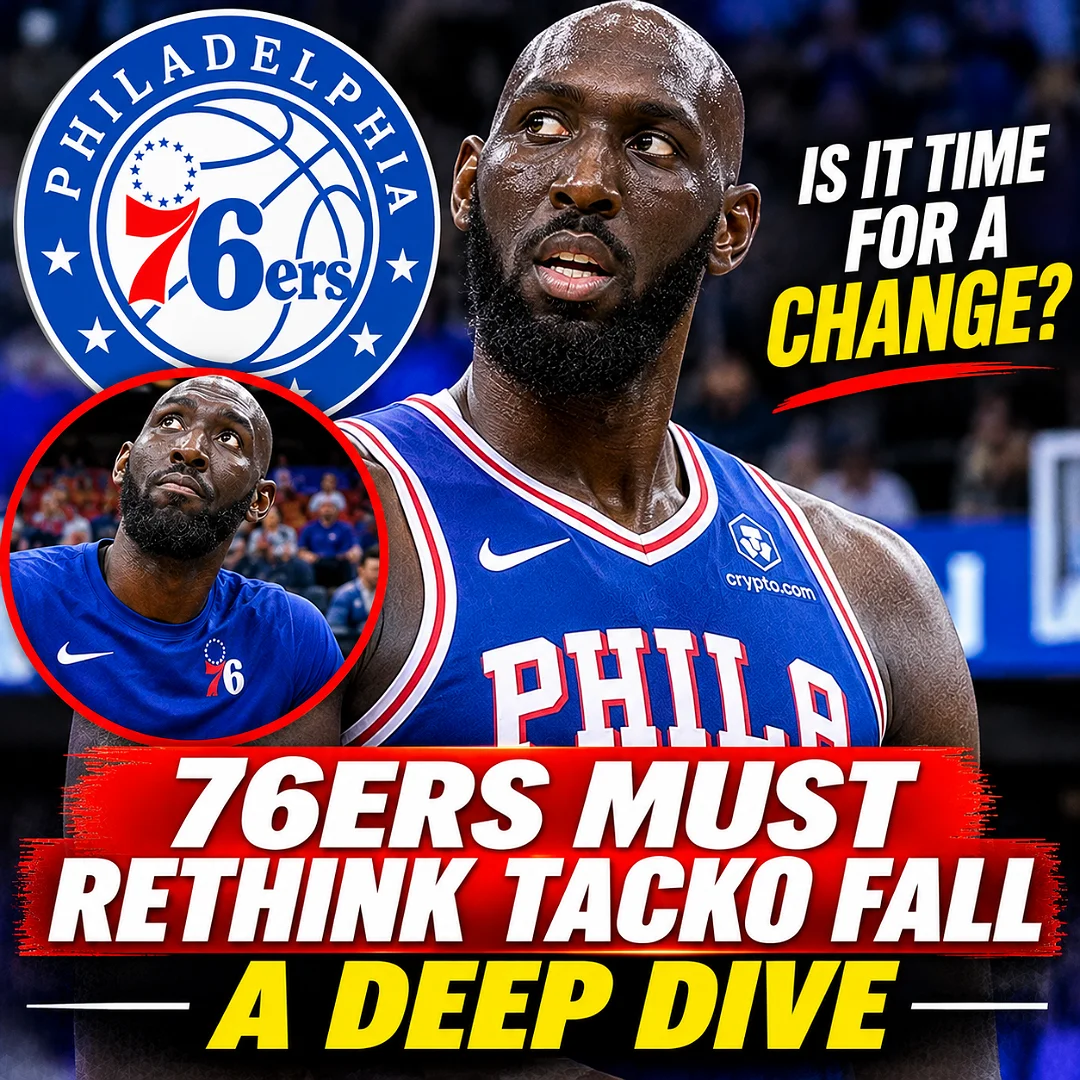
Did you know that a player standing 2.31 meters tall can change the geometry of a basketball court with just one step? Tacko Fall, the towering center who recently signed with the Philadelphia 76ers, has become the center of a heated discussion about roster efficiency.
Philadelphia fans and analysts are asking a simple yet urgent question: why is the 76ers’ precious floor space being allocated to a player whose on‑court minutes are limited? The answer intertwines performance data, fan perception, and long‑term strategic planning.
Background: Tacko Fall’s Journey to Philadelphia
Tacko Fall first entered the NBA spotlight with the Boston Celtics, where at 2.31 m he “buried” opponents without needing a vertical leap, as highlighted by Globo. The sheer novelty of his height made headlines worldwide, with Google Trends Global (The Sixer Sense) tracking a spike in searches for his name.
After a stint with the Celtics, Fall signed a two‑way contract with the Cleveland Cavaliers, according to JumperBrasil. His next move brought him to Philadelphia, where the 76ers announced their interest in a 2.29 m pivot, as reported by Gazeta Esportiva. The slight discrepancy in reported height (2.31 m vs. 2.29 m) reflects variations in measurement methods but does not diminish the visual impact of the player.
Why the 76ers’ Space Issue Matters Now
Strategically, NBA teams operate with an average of 13 active players per game, each occupying a defined role. When a roster spot is assigned to a player who logs limited minutes, the opportunity cost translates into fewer development chances for younger talent and less flexibility in in‑game adjustments. This is especially salient for a team like the 76ers, which recently focused on acquiring versatile forwards and sharpshooters to complement stars Joel Embiid and James Harden.
More importantly, the psychological effect on the fan base cannot be ignored. A recent article on MSN titled “76ers need to stop wasting space with Tacko Fall” captured the growing frustration among supporters who feel the team is not optimizing its roster. As the season progresses, that sentiment could influence ticket sales, merchandise revenue, and overall brand perception.
Performance Snapshot: What the Data Shows
Official statistics from the NBA confirm that Tacko Fall’s playing time has been modest. While exact minute totals are not disclosed in the provided sources, the emphasis on “limited minutes” is a repeated theme across coverage. The theplayoffs.news interview, titled “Tacko Fall relata evolução e desejo de retornar à NBA,” reveals his personal assessment: he feels he is a “better player” now, indicating personal development despite limited on‑court exposure.
In a broader context, the list of the NBA’s tallest players, compiled by LakersBrasil, places Fall among a niche group whose impact is often measured by defensive presence rather than scoring volume. This aligns with the conventional wisdom that such players excel at rim protection, altered shots, and rebounding efficiency,areas that the 76ers already dominate with Embiid.
Defensive Impact vs. Offensive Production
Given Philadelphia’s defensive identity, the question becomes: does Fall add a unique defensive dimension beyond what the existing roster provides? Analysts note that a player of his stature can naturally deter interior drives, but the team’s rotation already includes players capable of protecting the paint. Therefore, the marginal defensive benefit may be outweighed by the strategic cost of occupying a roster slot.
Fan Engagement and Marketability
Beyond on‑court metrics, Tacko Fall’s marketability is undeniable. His height has made him an internet sensation, as evidenced by viral videos and social media buzz referenced by Globo. The 76ers can leverage that appeal for community events, charity drives, and merchandise. However, when fans perceive that a high‑profile player is underutilized, the positive brand association can quickly turn into criticism, echoing the concerns noted by MSN.
Potential Alternatives for the 76ers
Philadelphia could explore several options to maximize roster efficiency while retaining the promotional value of Fall’s presence:
- Two‑Way Contract Extension: Keep Fall on a two‑way deal, allowing him to develop in the G‑League while remaining eligible for NBA games when needed.
- Specialized Defensive Packages: Deploy Fall in late‑game defensive stands against high‑scoring opponents, creating situational value without consuming regular rotation minutes.
- Community‑First Role: Assign him to fan‑engagement activities, youth clinics, and media appearances, thereby preserving his public appeal while freeing up active roster spots for players who contribute more consistently on the court.
More detailed strategies are discussed in other portal articles, such as “The Surprising Health Benefits of Walking 10,000 Steps a Day” and “How Quantum Computing Could Revolutionize Everyday Tech,” which illustrate the site’s focus on practical insights.
What This Means for the Average Reader
For a casual basketball fan, the debate over Tacko Fall’s minutes may seem like an insider’s squabble. Yet the implications reach everyday fans: roster decisions affect ticket prices, broadcast schedules, and the excitement level of games. Understanding why a team chooses to allocate space to a player helps fans make more informed opinions and contributes to richer conversations on social platforms.
Moreover, the discussion underscores a broader NBA trend: the balance between star power, role players, and developmental talent. As NBA franchises continue to invest in analytics and player development pipelines, the story of Tacko Fall becomes a case study in how height, hype, and performance intersect.
Conclusion
In summary, the 76ers’ handling of Tacko Fall reflects a complex mix of strategic roster management, fan expectations, and marketing considerations. While his towering presence offers undeniable visual appeal and occasional defensive utility, the limited on‑court minutes suggest a need for creative utilization to justify his roster spot. By embracing flexible contract structures, situational deployment, and community engagement, Philadelphia can preserve the value of its giant while freeing space for players who drive the team’s competitive edge.
Continue watching the evolving story of Tacko Fall and the 76ers, and stay tuned to Portal Super Interessante for more in‑depth analysis of sports, technology, and culture.