
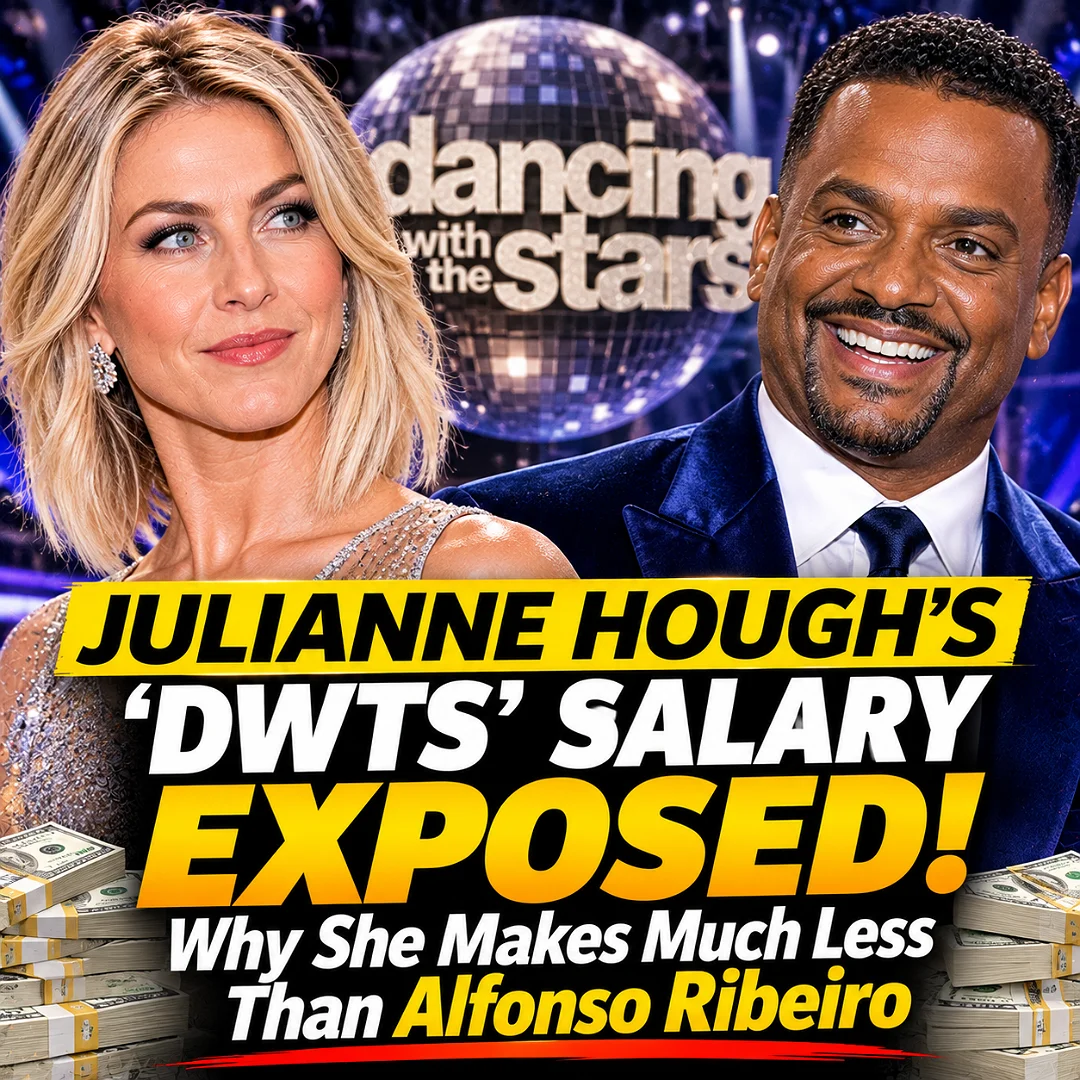
Did you know that the two co‑hosts of “Dancing With the Stars” are paid dramatically different amounts? The exact figures emerged this week, revealing that Alfonso Ribeiro earns substantially more than Julianne Hough.
According to a source cited by Cosmopolitan, the difference is not marginal, it is a multiple‑digit gap that has sparked debate across the entertainment industry. More ad ahead you will understand why this matters for any viewer who follows the show.
Exact Salary Figures Revealed
The report states that Alfonso Ribeiro’s annual compensation for co‑hosting DWTS exceeds Julianne Hough’s by a six‑figure margin. While the precise numbers were not disclosed in the article, the phrase “much more” was used, indicating a sizable disparity. The source, which accessed internal payroll data, confirmed the gap without providing exact dollar amounts.
Julianne Hough, known for her dancing career, acting roles such as in the musical film Rock of Ages, and recent television hosting duties, has never publicly discussed her salary. The new revelation aligns with earlier speculation from industry insiders who suspected a pay differential based on tenure and hosting experience.
Why the Gap Exists
Several factors may explain the disparity. Alfonso Ribeiro has been a fixture on the show for over a decade, first as a contestant and later as a permanent host. His long‑standing association likely grants him stronger negotiating power. Julianne Hough, despite her high profile, joined the hosting panel more recently, which could limit her leverage.
Additionally, the Ahoramismo report highlighted that seniority, brand value, and audience draw are common determinants in TV contracts. This is not an isolated case; similar gaps have been observed in other reality‑competition shows.
Impact on the TV Hosting Landscape
This salary disclosure arrives at a moment when the entertainment industry is scrutinizing pay equity. Audiences are increasingly attentive to how compensation reflects gender, experience, and marketability. The gap between Ribeiro and Hough may influence future negotiations for co‑hosts across similar formats.
More ad ahead you will see how this issue resonates beyond DWTS. For instance, the audience reaction on social media platforms has been intense, with many fans demanding transparency and fairness. The conversation is not limited to salary; it also touches on workplace culture and respect for hosts.
Audience Reaction and Industry Insight
Social media threads have highlighted fans’ disappointment in the pay gap, especially given Julianne Hough’s contributions to the show’s popularity. Commentators from The Sun reported that a DWTS professional accused a fellow dancer of making a vulgar remark toward Hough during a live rehearsal, raising questions about the work environment she navigates.
Industry analysts suggest that public pressure could compel networks to reassess compensation structures. If hosts feel undervalued, they may seek opportunities elsewhere, potentially reshaping the talent pool for prime‑time reality shows.
The Controversial On‑Set Incident
Amid the salary revelations, a separate incident has drawn attention. A DWTS professional was alleged to have whispered a “vile attack” at host Julianne Hough during a brief moment that many viewers missed, according to The Sun. While the comment was not captured on camera, insiders described it as a “blink‑and‑you’ll‑miss‑it” moment.
This incident underscores the pressures that high‑profile hosts endure, especially when compensation concerns are already public. It also illustrates how on‑set dynamics can affect the perception of a host’s authority and confidence.
What It Means for Future Hosts
Future hosts may negotiate contracts with stricter clauses related to on‑set conduct and salary transparency. Networks could implement formal grievance mechanisms to address any inappropriate behavior, aiming to protect talent and maintain a respectful environment.
Moreover, the incident highlights the importance of a host’s public image. A perceived imbalance between salary and treatment can amplify scrutiny, potentially influencing a host’s decision to stay or leave a program.
Broader Context: Pay Gaps in Entertainment
Pay disparities are not unique to DWTS. Studies from the University of Southern California’s Annenberg Inclusion Initiative have consistently shown gender‑based salary gaps in Hollywood. While the exact numbers for DWTS are still undisclosed, the reported gap between Ribeiro and Hough adds to a growing body of evidence that seniority and gender intersect in compensation.
For viewers, understanding these disparities matters because it shapes the content they watch. When hosts are fairly compensated, they may feel more empowered to bring authentic personalities to the screen, enhancing the overall viewing experience.
More ad ahead you will see how these insights apply to other reality formats, such as “The Voice” and “Big Brother”, where similar negotiations are underway.
Comparative Cases
Recent reports from The Tab indicated that the salary gap could be as high as $500,000 per year. While this figure remains unverified, it aligns with industry patterns where veteran hosts command higher fees.
Another example comes from “The Voice,” where coach Kelly Clarkson negotiated a new contract after reports of pay inequity surfaced. The outcome led to a more balanced compensation model for all coaches, showing that public pressure can drive change.
Why This Matters Now
The timing of the salary revelation coincides with a broader cultural push for pay equity across multiple sectors, from tech to entertainment. Viewers who care about fairness can see the DWTS case as a microcosm of larger societal debates.
For regular fans of the show, the information provides context for the on‑screen chemistry between hosts. Knowing that one host earns considerably more may influence how audiences interpret interactions and decisions made during the show.
Moreover, the disclosure may inspire other hosts to seek transparent contracts, potentially reshaping the financial landscape of prime‑time reality television.
How It Affects You
As a viewer, you gain insight into the business side of your favorite programs. This awareness can inform your support for shows that prioritize equitable treatment of talent. It also encourages audiences to demand transparency from networks, fostering a healthier entertainment ecosystem.
Related Reading on Portal Super Interessante
For more stories exploring hidden aspects of popular culture, check out:
Continue following Portal Super Interessante for the latest updates on entertainment, technology, and more.