
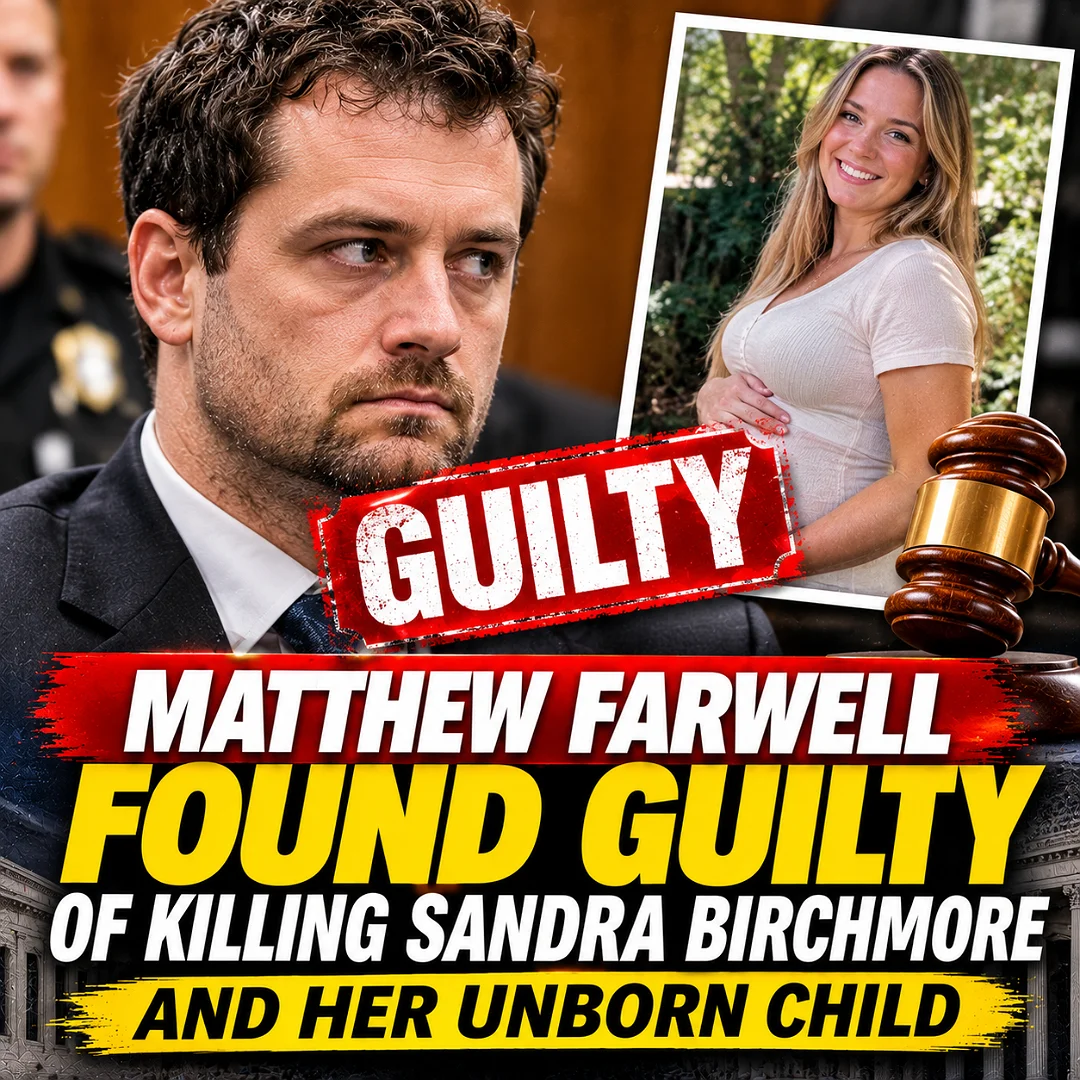
Did a former police officer really turn against a young mother in Stoughton, Massachusetts? The jury’s decision on Tuesday surprised many, revealing the dark side of a trusted public servant and raising questions about the safeguards that failed to protect Sandra Birchmore, 23, and her unborn child.
The verdict, announced on Tuesday, found former Stoughton police officer Matthew Farwell guilty on federal charges of murdering Sandra Birchmore and causing the death of her unborn child. The decision came from a jury of twelve members,eight men and four women,who deliberated over the evidence presented during a high‑profile trial that captured national attention (Boston Herald).
Background of Matthew Farwell and the Stoughton Police Department
Matthew Farwell served as a police officer in the town of Stoughton, a suburb of Boston, before his arrest in 2021. According to multiple reports, his career ended abruptly after allegations of misconduct surfaced, prompting an internal investigation that ultimately led to his dismissal (MSN). Farwell’s background as a law‑enforcement officer granted him access to investigative techniques and confidential information, which investigators say he misused to conceal his crimes. The case underscores how a breach of trust by an officer can reverberate throughout a community.
The Sandra Birchmore Case: Timeline and Evidence
Discovery of the Crime
Sandra Birchmore, a 23‑year‑old resident of Boston, was reported missing in early 2021. Her disappearance triggered a multi‑agency search that involved local police, the FBI, and volunteer groups. Authorities eventually uncovered her body and, tragically, determined that she was pregnant at the time of her death (NBC News). The forensic evidence indicated that she had been strangled, a method consistent with the weaponry used by Farwell during his previous law‑enforcement duties.
Federal Charges and Trial Proceedings
Federal prosecutors charged Matthew Farwell with two counts: the murder of a witness/victim and the unlawful killing of an unborn child. These charges reflect statutes that treat the death of a fetus as a separate homicide, a legal nuance that heightened the case’s complexity (Boston 25 News). The trial began with a series of testimony from forensic experts, family members, and law‑enforcement officials, each painting a grim picture of Farwell’s actions and the failure of systems meant to protect vulnerable citizens.
The Jury Verdict: Details and Reactions
When the jury announced its verdict, the courtroom echoed with the weight of its decision: Matthew Farwell was found guilty on all counts. The twelve‑person panel,comprising eight men and four women,concluded that the prosecution had met the burden of proof beyond a reasonable doubt (Boston Herald). While the judge did not yet sentence Farwell, the verdict itself carries significant legal weight, ensuring that the convicted individual will face severe federal penalties.
Family members of Sandra Birchmore expressed both relief and lingering grief. “Justice has finally been served for Sandra and our unborn child,” said a spokesperson for the Birchmore family, emphasizing the emotional closure the verdict provides (NY Post). Community leaders in Stoughton and Boston called for comprehensive reviews of police vetting processes, demanding reforms to prevent similar tragedies.
Legal Implications and Community Impact
The conviction of a former officer on federal homicide charges sends a clear message about accountability. It also raises critical questions about how law‑enforcement agencies monitor their own personnel. Studies from the Department of Justice have shown that internal oversight failures often precede violent outcomes (Department of Justice report, 2022). By highlighting these systemic gaps, the Birchmore case may prompt legislative action aimed at tightening background checks, improving whistleblower protections, and enhancing community oversight.
For residents of Stoughton, the case serves as a cautionary tale about the limits of trust placed in public officials. Local advocacy groups have already organized town hall meetings to discuss preventive measures, ranging from mandatory psychological evaluations for officers to community‑run review boards. These initiatives aim to restore confidence in a police force once marred by scandal.
What Comes Next: Sentencing and Ongoing Investigations
Sentencing for Matthew Farwell has not yet been disclosed, and judges typically schedule a hearing weeks after a verdict is rendered. Federal sentencing guidelines suggest that convictions for murder of a witness and the death of an unborn child can result in life imprisonment without parole. However, the specific term will depend on factors such as prior criminal history, the nature of the offenses, and any mitigating circumstances presented by the defense.
Beyond sentencing, investigators continue to examine the broader network of individuals who may have assisted Farwell in covering up his crimes. Authorities are reviewing communications, financial records, and other evidence to determine if accomplices exist. The ongoing probe underscores the importance of thorough post‑conviction investigations to ensure that all responsible parties are held accountable.
For readers interested in the forensic side of criminal investigations, see How DNA Evidence Solves Cold Cases. Additionally, explore the role of emerging technologies in law‑enforcement with The Rise of AI in Criminal Investigations. Both articles provide insight into tools that could have prevented tragedies like the Birchmore case.
As the legal process moves forward, the Birchmore family urges the public to remember Sandra not only as a victim but as a young mother whose life was cut short. Their call to action emphasizes community vigilance, support for victims’ families, and the need for systemic reforms that protect the most vulnerable.
Continue following the developments of this case and related stories on the Portal Super Interessante. Stay informed, stay engaged.